On-site or data review
We work from your actual images, video, and operating conditions — not synthetic data.
A computer-vision pilot that runs on your actual line, your actual lighting, and your actual product — not a clean lab dataset.
Computer-vision pilot for industrial use — defect detection, OCR, inspection, or quality grading.
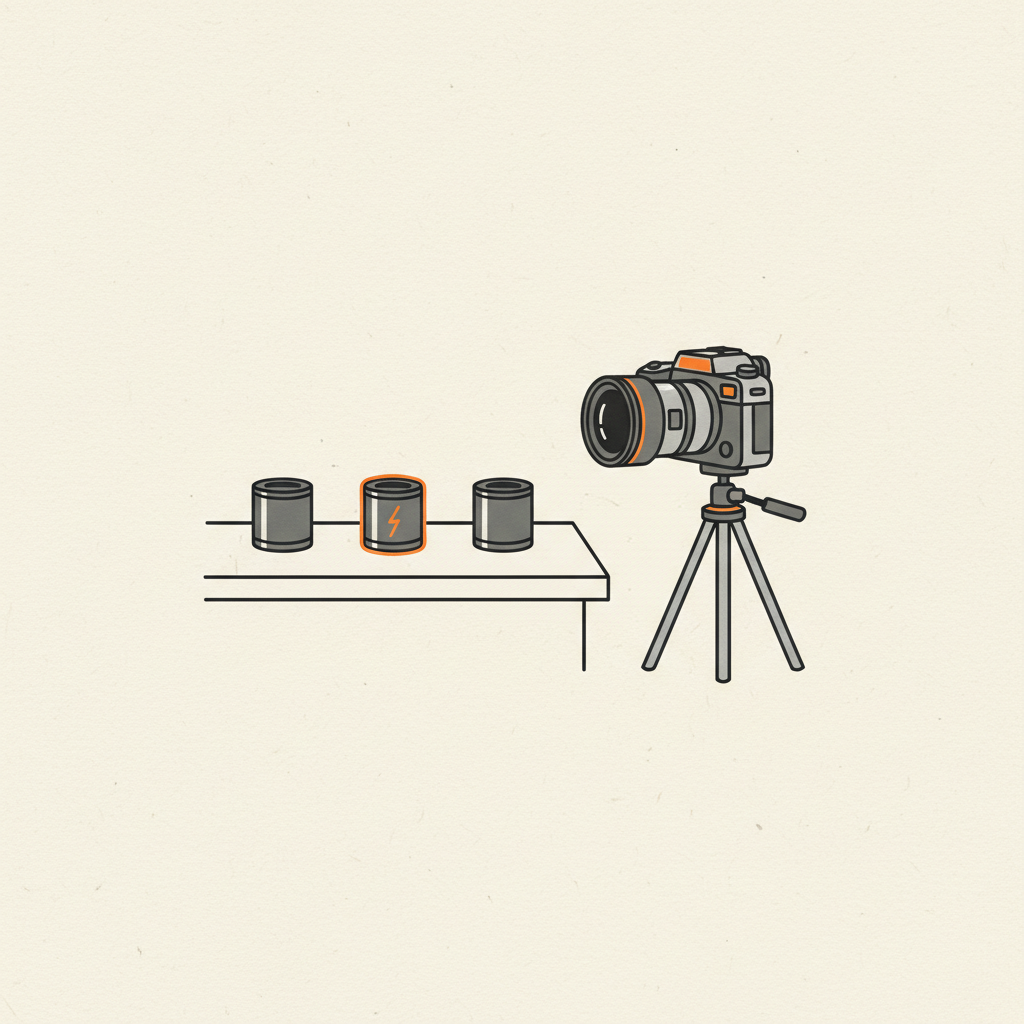
Every deliverable below is included in the scoped engagement — no upsell at handoff.
The same four-step flow we use across every engagement, scoped to this gig.
We work from your actual images, video, and operating conditions — not synthetic data.
We agree on a measurable pilot success criterion before any model is trained.
Weekly checkpoints showing real performance on a held-out set.
Deployed pilot plus an honest performance report — including where it fails.
The stack we default to for computer vision and industrial ai work. Always open to fitting yours.
Three reasons clients pick Hepha Works for computer vision and industrial ai.
The person who scopes the work is the person who delivers it. No invisible subcontractors, no junior handoffs.
You see a written scope and a number before any work starts. No timesheet surprises, no scope-creep arguments.
We won't say it'll work if we don't think it will. If the gig isn't right for your situation, we'll tell you that on the call.
The questions we get most before kicking off computer vision and industrial ai engagements.
Depends on the task. Defect detection often works with 200 labelled examples; OCR may need a few thousand. We'll tell you on the scoping call.
Yes — we deploy to edge devices (Jetson, Coral, x86 industrial PCs) when latency or connectivity matters.
If it works, we scope a production engagement. If it doesn't, the report tells you why and what would be needed.
Always. Industrial data is sensitive — we sign mutual NDAs before any image leaves your premises.
We can recommend camera, lens, and lighting setups but don't sell hardware. We partner with vision integrators when needed.
Other gigs that pair well with Computer Vision / Industrial AI.
Send a brief and we'll come back with a written scope and a number within 1–2 business days.